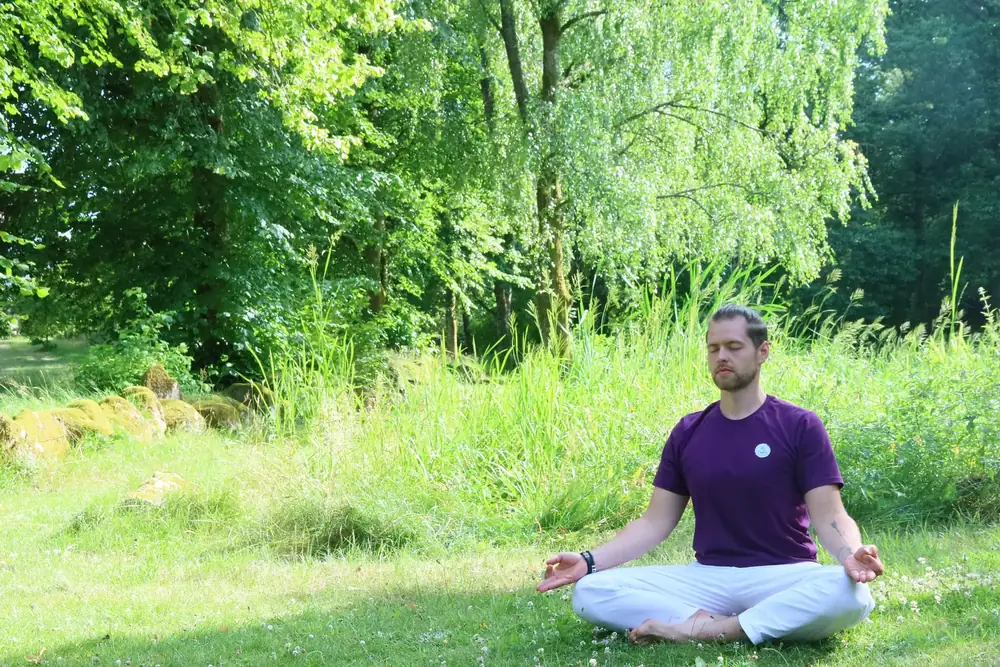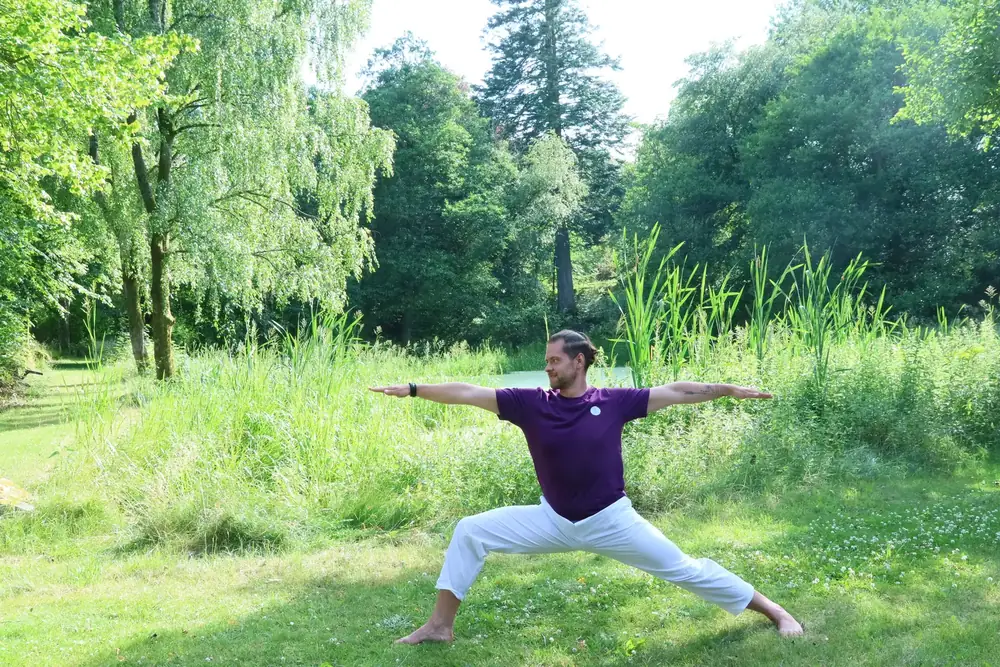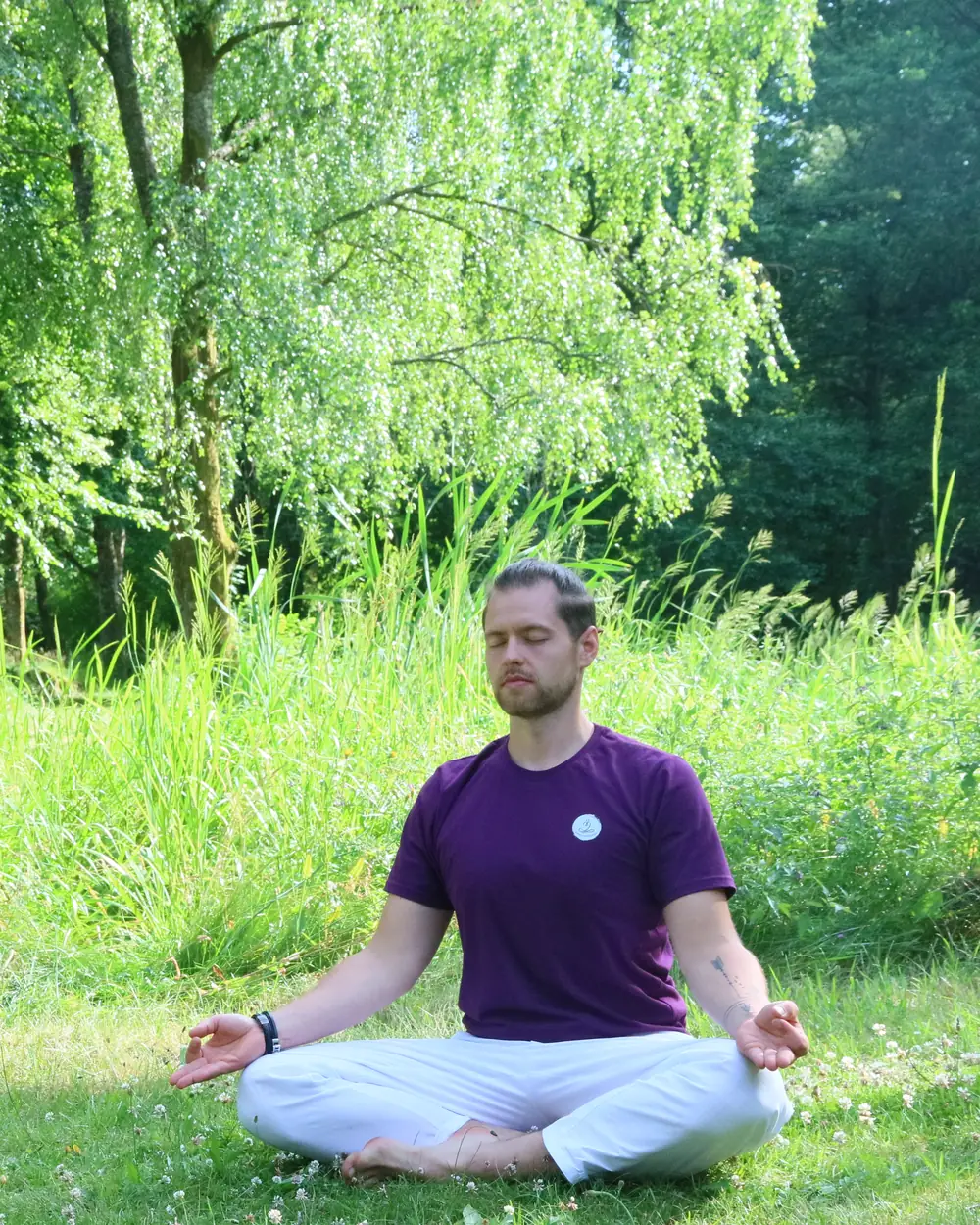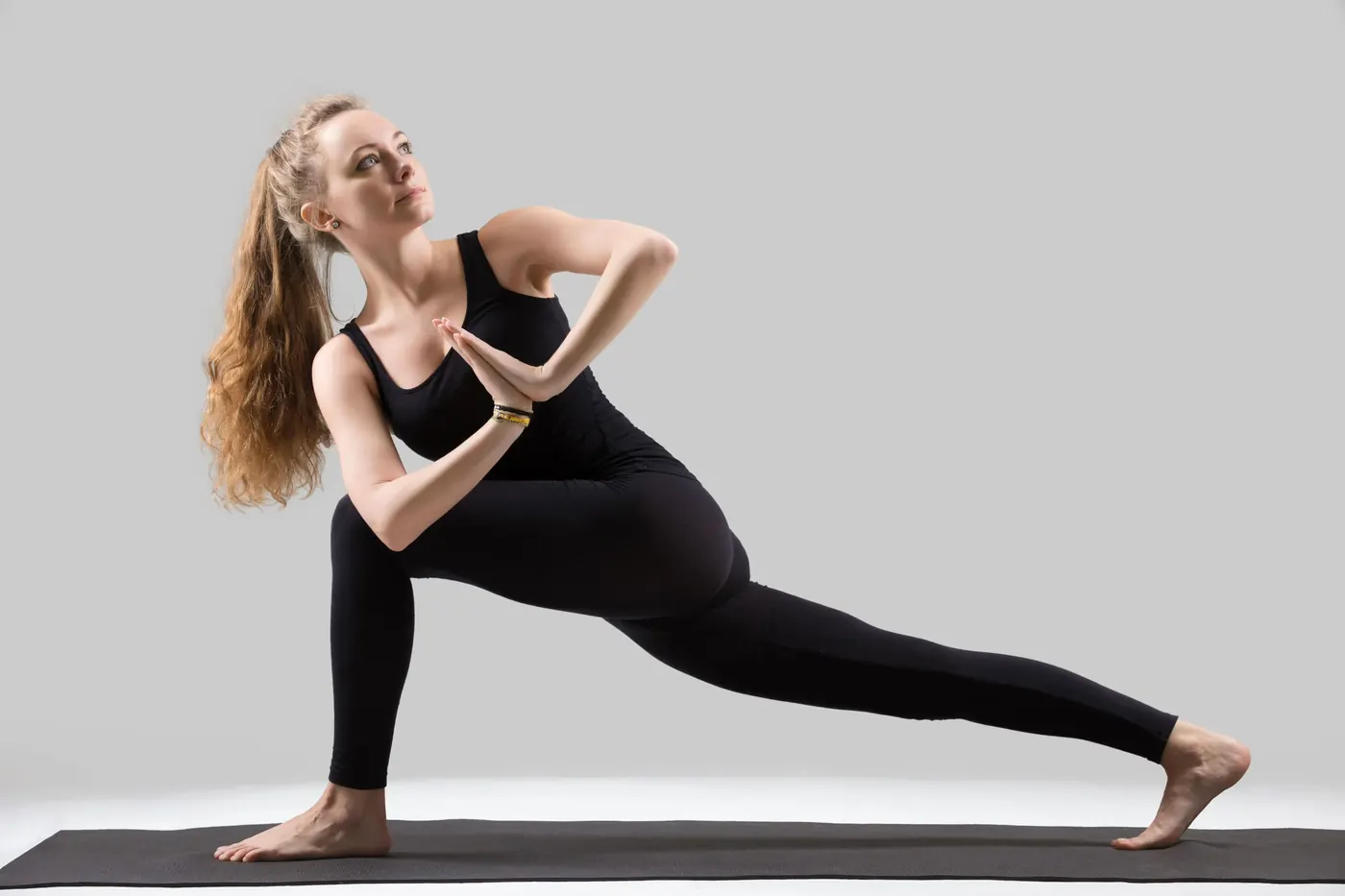
Regular yoga trains mobility, strengthens muscles, improves balance and posture and helps you calm down. You often notice the first changes – calmer breathing and a feeling of lightness – after the very first class. Mobility and ease in the poses change noticeably after 4–6 weeks of practising twice a week.
What is yoga?
Yoga is a practice from India that combines body poses (asanas), breathing exercises and training of attention. Modern classes work mostly with the body: the poses are done together with the breath.
There are many styles – from calm hatha to dynamic vinyasa yoga. The benefits are similar; the pace and the load differ.
Briefly, why I chose yoga myself:
7 benefits of yoga for body and wellbeing
1. A more mobile body
In the poses, muscles and joints move through their full range. Within a few weeks it becomes easier to bend forward, squat and turn your torso. Flexibility is a result of yoga, not a condition for starting.
2. More strength
In many poses you hold your own body weight: in plank the core and shoulders work, in the warrior poses the legs do. Strength grows without weights.
3. Better posture
Yoga strengthens the back and core muscles and opens the chest and hips. This is especially useful if you sit at work.
4. Balance and coordination
Standing on one leg in tree pose and moving between poses train your balance. It helps every day – in sport and in later life.
5. Less tension
Slow breathing and attention to the body are calming. Many people feel calmer and breathe more easily after a class.
6. A calmer evening and sleep
A calm evening practice helps the body move from the day's tension into rest. Slow poses and breathing exercises suit this.
Try it – my guided evening flow (about 18 minutes):
7. Better body awareness
You start to notice where tension builds up, how you sit and how you breathe. This habit stays with you off the mat too.
Who benefits from yoga the most?
- People who sit at work – it opens the chest and hips and strengthens the back.
- People who do sport – it adds the mobility that runners, cyclists and gym-goers often lack.
- People with a stressful life – slow breathing helps you wind down after the day.
- People returning after a break – the load is easy to adapt to your level.
- Older adults – it trains balance and helps maintain mobility.
When will you feel the benefits of yoga?
| Time | What you usually notice |
|---|---|
| After the first class | Calmer breathing, a feeling of lightness |
| After 2–3 weeks | The poses become familiar, less tension in the shoulders and back |
| After 4–6 weeks | More mobility, the poses feel easier |
| After 3 months | Stronger muscles, firmer posture, a steady habit |
The table applies to practising about twice a week. Every body changes at its own pace.
What should you not expect from yoga?
- Treatment. Yoga does not replace a doctor or a physiotherapist. If you have injuries or health conditions, talk to your doctor first.
- Fast weight loss. Calm styles burn few calories. For weight, nutrition and overall activity matter most.
- Results without regular practice. One class a month will not change your body.
How many times a week should you practise yoga?
One class a week is enough to start. Once it has become a habit, add a second – twice a week gives noticeably faster progress. Between classes, 10–15 minutes of practice on your own is useful.
Which yoga style should you choose?
- Hatha yoga – a slow pace, poses are held longer. It suits beginners and people returning after a break.
- Vinyasa yoga – dynamic, the poses flow from one into the next. It suits those with some experience.
- Ashtanga yoga – intense, the poses are done in a set order. It suits advanced students.
More on the differences in the article “Hatha yoga: what it is and who it suits”. If you have not tried yoga yet, start with the tips in “Yoga for beginners: where to start”.
Frequently asked questions about the benefits of yoga
Directly, not much: calm styles burn few calories. Yoga helps you move regularly and reduce tension, but for weight, nutrition and overall activity matter most.
Gentle movement and stronger core muscles often ease a back that is tired from sitting. If the pain is sharp or does not go away, see a doctor first.
No. Flexibility comes with practice. Every pose has an easier version.
Yes. Yoga trains strength, mobility and balance – everyone needs those, especially people who sit at work or do sport.
For mobility, balance and general wellbeing, yes. If you want more strength or endurance, it is worth combining yoga with strength training.
No. What matters is choosing a suitable pace and telling your teacher about your health.
Want to feel the benefits of yoga yourself? The hatha yoga group for beginners meets on Tuesdays at 18:30, live on Google Meet, with up to 8 people. A class costs €12. If you are not sure which style suits you, book a free 20-minute call.